What Is Nubuck Leather? The Complete Guide
Nubuck is one of those leathers people love to touch. It feels soft and velvety, a bit like suede, but it looks richer and lasts longer. You will find it on Timberland-style work boots, sneakers, sandals, jackets, handbags and even sofas.
But what exactly is nubuck leather? How is it made, is it real leather, and is it a good choice for your shoes or your next product line? This guide answers all of that in plain English.
What is nubuck leather?
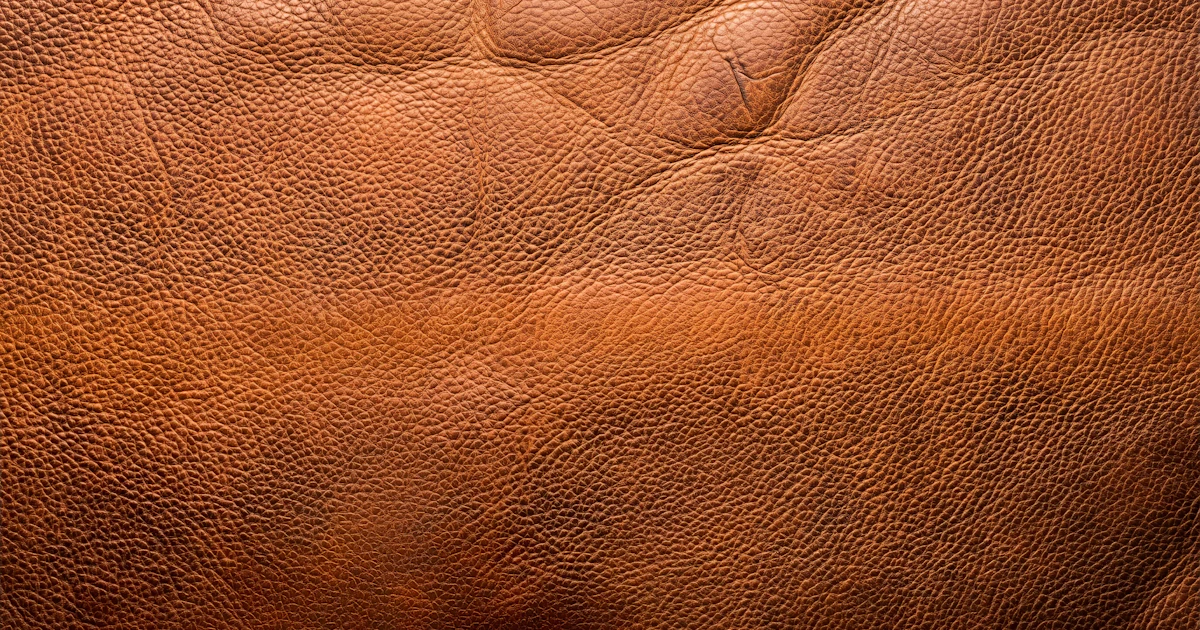
Nubuck is real leather made from the outer (grain) side of a cowhide that has been lightly sanded to create a short, velvety surface called a nap.
The name is often explained as "new buck", because it was first made to look like buckskin (deer leather), which was expensive and hard to get. Today nubuck is almost always made from cowhide, sometimes from calf, and occasionally from other hides.
The key point is where the leather comes from:
- Nubuck is made from the top grain, the strong outer layer of the hide where the fibres are tight and dense.
- Suede is usually made from the inner split, the looser layer underneath.
That is why nubuck looks similar to suede but is stronger and more durable. We explain the full comparison in our guide to nubuck vs suede.
How is nubuck made?
Making nubuck takes the same basic steps as other leathers, plus one careful extra step.
1. Choosing the hide
Because the outer surface will be sanded and left uncoated, every scar, insect bite or scratch on the hide will show. Tanneries therefore choose hides with a clean, even grain for nubuck. This is one reason nubuck costs more than many other leathers.
2. Tanning
The raw hide is tanned to stop it rotting and to make it soft and stable. Most nubuck is chrome tanned, using chromium salts. Chrome tanning gives a soft, flexible leather and takes dye evenly, which suits nubuck well. Some tanneries use vegetable tanning (with natural tannins from bark and plants) or a mix of both. Vegetable-tanned nubuck is firmer and develops more patina, but it is less common.
3. Splitting and shaving
The thick hide is split into layers. The top layer (the grain) is used for nubuck. The lower layer can become suede or other split leathers. The grain layer is then shaved to an even thickness.
4. Dyeing
Nubuck is usually drum-dyed, so the colour goes deep into the leather rather than sitting on top. This matters because the surface will be sanded, and a surface-only colour would wear off.
5. Sanding (buffing)
This is the step that makes nubuck. The grain side is passed over fine abrasive rollers, similar to very fine sandpaper. The sanding opens the tight fibres at the surface and lifts them into a short, even nap. Too coarse a grit and the leather looks rough. Too fine and there is no nap at all. Getting this right is a real skill.
6. Finishing
Finally, the leather may be treated with light water-repellent or protective finishes. These do not coat the surface like a painted leather, because that would flatten the nap.
The nap: why nubuck feels like velvet
The nap is the layer of tiny raised fibres on the surface. It is what gives nubuck its soft touch and its "writing effect": when you brush your finger across it, the colour changes slightly because the fibres lie in a new direction and catch the light differently.
A few things to know about the nap:
- It is short and fine, much shorter than the nap on suede.
- It can get flattened (matted) by pressure, friction, oil and water. A soft brush lifts it again.
- Heavy creams and polish clog the nap and make it look greasy and dark. That is why nubuck needs its own care products. Our guide on how to clean nubuck explains the right tools.
Is nubuck real leather?
Yes. Genuine nubuck is 100% real leather. It is top-grain leather with a sanded surface.
However, there is also synthetic nubuck (sometimes called microfibre nubuck, PU nubuck or "nubuck-look"). It is made from polyester or nylon microfibres with a polyurethane coating, finished to look like nubuck. It is cheaper and can be useful, but it does not breathe, age or last like the real thing.
Quick ways to spot the difference:
- Edges: real nubuck has a fibrous, leathery cut edge. Synthetic versions often show a fabric backing.
- Water drop: untreated real nubuck darkens as it absorbs a small drop of water. Synthetic nubuck usually lets it bead.
- Warmth: real nubuck warms quickly in your hand. Synthetic stays cool and feels more uniform.
- Smell and price: real leather smells earthy and costs more.
For a full checklist, see how to tell if leather is real.
Types of nubuck
Not all nubuck looks or behaves the same.
- Standard (dry) nubuck: the classic soft, matte nubuck used in fashion shoes, bags and jackets.
- Oiled or waxed nubuck: nubuck treated with oils or waxes after sanding. It has a slightly darker, more rugged look and a "pull-up" effect, where the colour lightens when the leather bends. It is more water-resistant and is popular for work and hiking boots. It should not be cleaned with a dry suede eraser, which can scratch the oily surface.
- Waterproof nubuck: nubuck treated during tanning with water-repellent agents. Many outdoor boots use it, usually together with a waterproof membrane.
- Printed or embossed nubuck: less common, used for fashion effects.
Pros and cons of nubuck
Advantages
- Soft, luxurious look and feel that many people prefer to smooth leather.
- Stronger than suede, because it comes from the top grain.
- Breathable, which keeps feet and bodies more comfortable than synthetic materials.
- Ages well when cared for, softening and developing character.
- Takes colour beautifully, from classic wheat and tan to deep greys and blacks.
Disadvantages
- Stains easily. The open surface absorbs oil, water and dirt more readily than finished leather.
- Needs regular care, mainly brushing and a protective spray.
- More expensive than suede and many smooth leathers.
- Shows marks such as scuffs and water spots, although many can be brushed out.
Does nubuck develop a patina?
Yes, but differently from smooth leather. Smooth full-grain leather slowly darkens and shines. Nubuck tends to soften, mellow and become slightly darker in areas that are touched or bent often, such as the toe of a boot or the handle of a bag. The nap in those areas also gets a little smoother.
Some people love this lived-in look. If you want nubuck to stay closer to new, brush it regularly and protect it with a nubuck spray.
Why is nubuck more expensive than suede?
There are a few clear reasons:
- Better raw material. Nubuck uses top-grain leather, and only cleaner hides are suitable because the surface is not hidden by a coating.
- More waste. Hides with marks are rejected or downgraded, so more material is lost.
- Extra skilled processing. The sanding step must be precise to get an even nap.
- Longer life. You pay more up front, but a good nubuck product usually outlasts a suede one.
Is nubuck sustainable?
Nubuck has the same basic environmental footprint as other cowhide leather. Hides are a by-product of the meat industry, but tanning uses water, energy and chemicals, and poor tanneries can pollute.
What makes the biggest difference is how and where it is tanned. Tanneries rated by the Leather Working Group have been audited on water, energy, chemicals and waste. Our guide on LWG certified leather explains what to look for. Chrome-free and vegetable-tanned nubucks are also available, though they cost more.
Longevity matters too. A nubuck boot that lasts eight years has a smaller footprint per year than a cheap synthetic shoe replaced every season.
What is nubuck used for?
- Footwear: work boots, hiking boots, Chelsea boots, sneakers, loafers and sandals. This is by far the biggest use.
- Jackets: bombers, field jackets and truckers in nubuck have a soft, casual luxury.
- Bags and small leather goods: handbags, totes, wallets and watch straps.
- Furniture and car interiors: sofas and seats with a warm, velvety finish.
If you are a brand thinking about nubuck for your own product line, our buyer's guide to nubuck jackets, bags and boots covers weight, finishes and what to ask a manufacturer.
Is nubuck waterproof?
Not naturally. Standard nubuck absorbs water and can spot or stain. With a good protective spray, it becomes water-resistant enough for everyday use, and specially treated waterproof nubuck is made for outdoor boots. Read the full answer in is nubuck waterproof?.
How to care for nubuck (quick version)
- Brush it gently with a soft nubuck brush after wearing.
- Protect it with a nubuck or suede spray before first use and every few weeks in wet seasons.
- Treat stains early with a nubuck eraser, and use cornstarch on fresh oil.
- Dry it slowly at room temperature, never on a heater.
- Never use regular shoe polish, wax or heavy creams on standard nubuck.
The full step-by-step method is in our nubuck cleaning guide.
Frequently asked questions
What is nubuck leather made of?
Nubuck is made from the outer grain layer of a cowhide, tanned and then sanded to create a short, soft nap. Synthetic nubuck is made from microfibre and polyurethane instead.
Is nubuck better than leather?
Nubuck is leather. Compared with smooth full-grain leather, it is softer and more stylish, but it stains more easily and needs more care. Smooth leather is the better choice when easy maintenance matters most.
Is nubuck the same as suede?
No. Both have a soft nap, but nubuck comes from the strong outer grain while suede usually comes from the inner split. Nubuck has a finer nap and is more durable.
Is nubuck good for everyday shoes?
Yes, if you protect it with a spray and brush it regularly. For very wet or muddy conditions, oiled or waterproof nubuck is a better choice.
How long does nubuck last?
With basic care, quality nubuck boots and bags can last many years. Its lifespan is usually much longer than suede or synthetic nubuck.
Can nubuck get wet?
It can survive rain, but it should be dried slowly at room temperature and brushed afterwards. Without protection, water can leave spots or rings.
Why does nubuck change colour when I touch it?
Your finger moves the tiny fibres of the nap in a new direction, so they reflect light differently. This "writing effect" is normal and a sign of real nubuck.
Conclusion
Nubuck leather is top-grain cowhide with a lightly sanded surface. That simple process gives it a velvety nap, a premium look and much better durability than suede. It does need a little more care than smooth leather, but brushed and protected, it ages beautifully.
Planning a nubuck collection? Imran Partners sources nubuck and other premium leathers from verified manufacturers in Pakistan for jackets, bags, wallets and accessories, with private label and small-batch options. Request a quote to get samples.