
Timberland Boots: Why They Use Nubuck
M
Muhammad Imran
•I hope you enjoy this post. My team and I can help showcase your expertise like this. Let's talk.
An engineering dissection of the iconic yellow boot. Learn why top-grain nubuck was chosen over smooth leather for the world's most famous waterproof work boot.
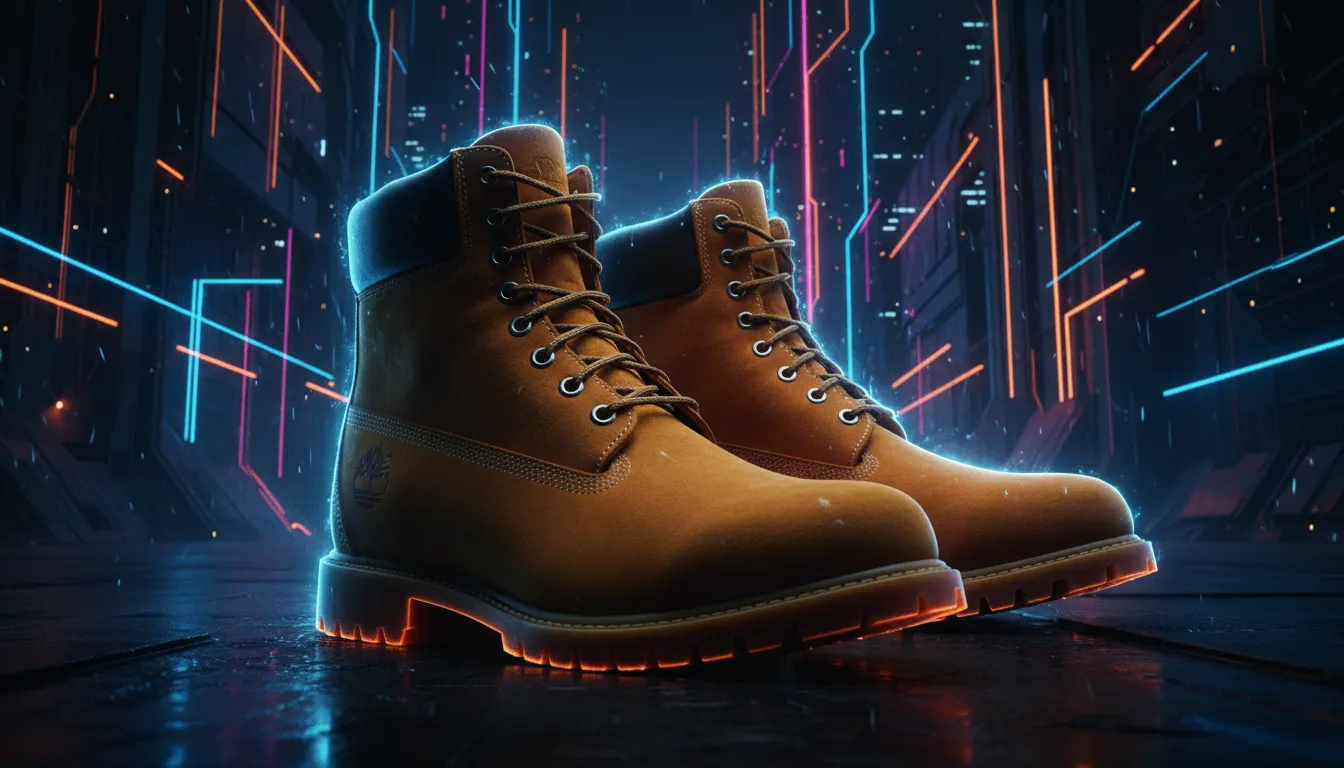
The Decision Behind the Yellow Boot <p>You know the boot. You can spot that specific shade of Wheat from a block away. It is the Timberland 6-Inch Premium Waterproof Boot, model 10061, if we are getting technical. But have you ever stopped to ask why, of all the leathers available in the tannery, Sidney Swartz chose nubuck for a boot designed to withstand the harsh, wet winters of New England?</p> <p>To the uninitiated, it seems counterintuitive. Sanding down the toughest part of the hide to create a velvet-like nap seems like a recipe for soaking up water, not repelling it. Yet, fifty years later, that specific leather choice is the backbone of a global empire. As a craftsman who has cut and stitched many boots, I can tell you this was an engineering decision. For a foundational understanding, consult <a href="https://imranpartners.com/posts/the-ultimate-master-guide-to-nubuck-leather-characteristics-care-and-comparisons">The Ultimate Master Guide to Nubuck Leather: Characteristics, Care, and Comparisons</a>.</p> Mission: Dry Feet <p>To understand the material, you have to understand the mission. The year was 1973. The Abington Shoe Company was trying to keep the feet of New Hampshire loggers and outdoorsmen dry. Before the Model 10061, work boots were largely constructed using Goodyear welt or stitch-down construction, which had a fatal flaw regarding water: needle holes.</p> <p>The Yellow Boot was the vessel for a revolutionary manufacturing technology: injection molding. The upper material had to match the innovation of the sole. It needed to be thick, insulating, and capable of holding a heavy load of waterproofing agents. The Wheat color was originally designed so workers could see each other clearly in low-light construction zones. It was high-visibility safety gear first.</p> Why Wheat Nubuck Was the Answer <p>Why nubuck? Nubuck is top-grain cattle leather that has been sanded on the grain side to give a slight nap. This is distinct from suede, which is the underside flesh side. For a deep dive into how this stacking order works, you should read about <a href="https://imranpartners.com/posts/nubuck-vs-full-grain-leather-which-is-better-for-boots">the structural differences between nubuck and full-grain leather for boots</a>.</p> <p>Smooth leather has a sealed surface, making it harder to impregnate deeply with waterproofing compounds. Sanding the top grain increases the microscopic surface area, allowing the leather to drink in silicone and wax agents. It is the difference between painting a fence and pressure-treating the wood. Nubuck also hides scuffs well and breathes better than finished smooth leathers.</p> Silicone and Molten Rubber <p>Waterproofing is an intrinsic part of the Timberland tanning process. The wheat nubuck hides are tumbled in massive drums with silicone oils, binding hydrophobic properties to the collagen fibers. If you are wondering if you can replicate this at home, check out this guide on <a href="https://imranpartners.com/posts/can-you-waterproof-nubuck-best-sprays-and-techniques">waterproofing nubuck using sprays and techniques</a>.</p> <p>Timberland uses a process where the liquid rubber lug outsole is injection-molded directly onto the nubuck upper while still molten. The heat causes the rubber to fuse into the fibers at the microscopic level, creating a hermetic seal. Where panels are stitched, they use four rows of rot-proof nylon, sealed from the inside with latex tape for maximum security.</p> LWG Gold-Rated Sourcing <p>Not all nubuck is created equal. Timberland sources hides from tanneries often rated Gold or Silver by the Leather Working Group (LWG). The tanning process involves Chrome Tanning, which yields a soft, pliable, and heat-resistant leather: essential for the injection molding process that defines the boot's construction.</p> <p>To achieve that velvet nap, the hides undergo a precise buffing stage. Buff too deep and you weaken the leather; buff too lightly and you lose the aesthetic. If you are curious about the mechanics of how raw hide becomes this material, read about <a href="https://imranpartners.com/posts/the-tanning-process-how-nubuck-is-made-from-top-grain">the tanning process and how nubuck is made from top-grain leather</a>.</p> Preserving the Wheat Aesthetic <p>The Yellow Boot is built for mud, but the color is a magnet for stains. slap shoe polish on it and you will mat the nap down and turn your boots into a greasy mess. This is one of the most frequent errors. For a list of things to absolutely avoid, review these <a href="https://imranpartners.com/posts/5-common-mistakes-that-ruin-nubuck-leather">5 common mistakes that ruin nubuck leather</a>.</p> <p>Maintenance requires dry brushing with stiff bristles and a crepe rubber bar for surface grime. When the Wheat turns to mud brown, use a foaming nubuck cleaner. For emergency situations like oil spills, refer to the guide on <a href="https://imranpartners.com/posts/removing-oil-and-grease-stains-from-nubuck-emergency-guide">removing oil and grease stains from nubuck</a>. Step-by-step details are in <a href="https://imranpartners.com/posts/how-to-clean-nubuck-leather-shoes-a-step-by-step-guide">how to clean nubuck leather shoes</a>.</p> Durability and Patina <p>I have deconstructed Timberlands that were 15 years old. While the soles were worn smooth, the nubuck uppers remained intact. This is the benefit of using top-grain nubuck over split suede or synthetics. The fiber structure is dense and substantial, molding to the foot over time without cracking through.</p> <p>Sizing is critical: nubuck stretches differently than mesh. It will mold to your foot but won't lengthen. Check out the <a href="https://imranpartners.com/posts/does-nubuck-stretch-sizing-and-break-in-guide">sizing and break-in guides for nubuck footwear</a>. While you cannot easily resole them, the upper is tough enough to last until the tread is literally bald.</p> From the Forest to the Street <p>The shift from Work Boot to Streetwear Staple happened in the early 1990s in New York City. The Fresh Wheat look became a status symbol, signaling the means to keep boots pristine despite the harsh city environment. Hip-hop artists adopted the rugged, matte aesthetic as an anti-establishment statement.</p> <p>Today, that same nubuck is worn by everyone from construction workers in Tokyo to fashion models in London. It all comes down to that specific choice of material: a rugged, sanded top-grain leather that turns gold in the sunlight. If you plan to take yours into serious weather, read the <a href="https://imranpartners.com/posts/nubuck-in-rain-and-snow-survival-guide">Nubuck in Rain and Snow Survival Guide</a>.</p>