
Oiled Nubuck vs. Standard Nubuck: Understanding the Rugged Cousin
M
Muhammad Imran
•I hope you enjoy this post. My team and I can help showcase your expertise like this. Let's talk.
Discover the differences between waxy, impregnated oiled nubuck and the velvety nap of standard nubuck. A technical guide on performance, durability, and maintenance for rugged leather gear.
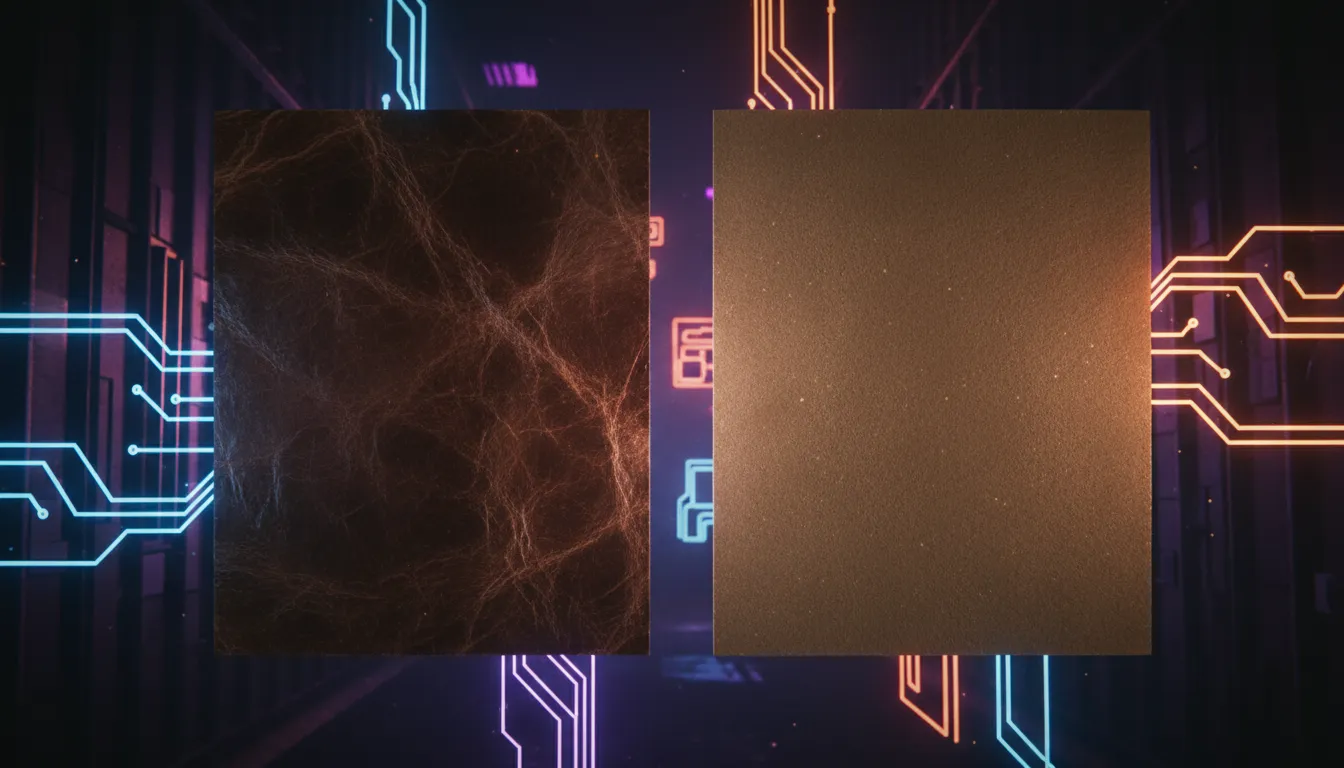
Velvet vs. Wax: The Rugged Cousin <p>You know the feeling. You run your hand across a fresh pair of boots, expecting that distinct, velvety peach-fuzz nap of standard nubuck, but instead, your fingers meet resistance. There is a drag. A waxy, matte substance that feels less like a luxury handbag and more like a saddle that has seen a century of rain.</p> <p>You haven’t been sold a defect; you’ve just encountered the rugged, heavy-hitting cousin of the leather world: Oiled Nubuck. The reality is a deliberate, chemical, and mechanical engineering feat designed to bridge the gap between aesthetic luxury and functional waterproofing. For foundational knowledge on the sanding process, start with <a href="https://imranpartners.com/posts/the-ultimate-master-guide-to-nubuck-leather-characteristics-care-and-comparisons">the ultimate master guide to nubuck leather characteristics, care, and comparisons</a>.</p> What is Oiled Nubuck? <p>Standard nubuck is created by taking top-grain cattle leather and sanding the grain side to break the fibers. This creates that protein nap we all recognize. Oiled nubuck starts the same way, but it doesn't end there. Once the sanding is complete, standard nubuck is usually dyed and sealed with a light fixative.</p> <p>Oiled nubuck undergoes a process often referred to as Hot Stuffing or heavy fatliquoring. The open, sanded grain structure is saturated with oils, waxes, and fats. The sanding process now serves a secondary function: it creates a textured surface area that holds onto these waxes tenaciously. Learn more in our guide on <a href="https://imranpartners.com/posts/the-tanning-process-how-nubuck-is-made-from-top-grain">how the tanning process transforms top-grain into nubuck</a>.</p> The Nap Test and Pull-Up Effect <p>Standard nubuck feels dry, soft, and warm with a dramatic writing effect. Brushing the fibers one way darkens the color; brushing them back lightens it. With oiled nubuck, this effect is muted. The oils have weighed the fibers down, and the fibers are encapsulated by the oil mixture, creating a cool, tacky hand feel.</p> <p>The defining visual characteristic is the pull-up phenomenon. When you fold or stretch oiled nubuck, the oils disperse, revealing the lighter base color of the hide. Standard nubuck remains uniform when stretched. This waxy aesthetic is often confused with full-grain longevity, a comparison we explore in <a href="https://imranpartners.com/posts/nubuck-vs-full-grain-leather-which-is-better-for-boots">our analysis of nubuck vs. full grain leather for boots</a>.</p> Survival in the Elements <p>Standard nubuck is naturally hydrophilic (water-loving). Those sanded fibers increase the surface area, making it absorb water like a sponge. Untreated, it will soak through in minutes during a downpour. You essentially must use aftermarket sprays to protect it. See: <a href="https://imranpartners.com/posts/can-you-waterproof-nubuck-best-sprays-and-techniques">Can you waterproof nubuck? Best sprays and techniques</a>.</p> <p>Oiled nubuck is hydrophobic by design. Because the space between the fibers is already occupied by oil and wax, water has nowhere to go. It beads up and rolls off. This makes it the superior choice for mountaineering boots and motorcycle gear. For extreme weather contexts, check our <a href="https://imranpartners.com/posts/nubuck-in-rain-and-snow-survival-guide">survival guide for nubuck in rain and snow</a>.</p> The Suede Eraser Danger <p>Maintenance protocols for these two materials are diametrically opposed. With standard nubuck, the goal is to lift the nap using a crepe brush or eraser. However, do not use a suede eraser on oiled nubuck. The friction generates heat, softening the oils and creating a sticky, dark sludge. This is a top entry in our <a href="https://imranpartners.com/posts/5-common-mistakes-that-ruin-nubuck-leather">5 common mistakes that ruin nubuck leather</a>.</p> <p>For oiled nubuck, use a stiff nylon brush to dislodge dried mud. It tolerates a damp wipe-down well. Most importantly, you must replenish the fats. If oiled nubuck dries out, it doesn't just look bad: it cracks and loses its waterproofing. Standard nubuck, meanwhile, is more sensitive to oil-based conditioners.</p> Reviving the Pull-Up Character <p>If your oiled nubuck has scratches that look chalky, the fibers are dry. You can use a hair dryer on medium heat to warm the surface, then massage the leather. The natural oils will liquefy and migrate back into the scratch. Buffing with a horsehair brush will distribute the wax evenly across the surface.</p> <p>Choosing the right conditioner is key. Mink oil is excellent for waterproofing but will matte the nap significantly. Neatsfoot oil is good for softening but can darken the leather permanently. For deeper damage, refer to our detailed guide on <a href="https://imranpartners.com/posts/fixing-scratches-and-scuffs-on-nubuck-boots">fixing scratches and scuffs on nubuck boots</a>.</p> Tuxedo vs. Suit of Armor <p>Standard nubuck is a tuxedo: it offers a depth of color and tactile luxury unmatched in the fashion world. It breathes better and offers a sophisticated aesthetic. Oiled nubuck, however, is the pragmatic evolution. By sacrificing the velvety nap, you gain a leather that heals itself and fights off moisture.</p> <p>Understanding this distinction ensures you do not take a tuxedo to a gunfight or use a suede eraser on a waxy boot. For a complete walkthrough on putting these tools to use in a wet-cleaning scenario, ensure you follow the protocols in <a href="https://imranpartners.com/posts/how-to-clean-nubuck-leather-shoes-a-step-by-step-guide">how to clean nubuck leather shoes step-by-step</a>.</p>