How to Stretch Leather Boots and Shoes: 7 Safe Methods
Yes, real leather boots and shoes can be stretched, but only a little and only in the right places. The safest way to stretch leather boots is slow and gentle: wear them with thick socks, add some warmth or a stretching spray, and let a boot stretcher hold the new shape overnight. Most tight leather footwear can gain up to about half a size in width. It cannot gain length.
We source leather goods from Pakistan for brands, so we see how boots are built and why some fit tight. This guide covers which parts of a boot can stretch, seven safe methods to stretch leather shoes and boots at home, which method to use for which tight spot, and the mistakes that crack leather.
Does leather stretch?
Real leather is a web of natural fibres. With moisture, warmth and steady pressure those fibers relax and settle into a new shape. That is why leather boots feel snug at first and then mold to your feet. How much leather stretches depends on the type of leather and how it was finished:
| Material | How much it stretches | Notes |
|---|---|---|
| Lambskin, sheepskin | Most | Soft and thin, stretches quickly. Easy to over-stretch. |
| Goatskin | Good | Light and tough. Used in lighter shoes and loafers. |
| Cowhide (full grain) | Some | Most boots. Stretches slowly, holds its shape well. |
| Buffalo leather | Little | Thick and firm, used in heavy work boots. |
| Suede, nubuck | Some | Stretches, but water and sprays can mark the surface. |
| Patent leather | Very little | The glossy coating can crack. Gentle warmth only. |
| Faux leather (PU, PVC) | Almost none | Plastic coating, does not stretch like real leather. |
Not sure what your boots are made of? Our guide on how to tell if leather is real shows the quick checks.
Well cared-for leather stretches more evenly. For cleaning, conditioning and storage basics, read how to care for leather.
What can and can't stretch in a boot
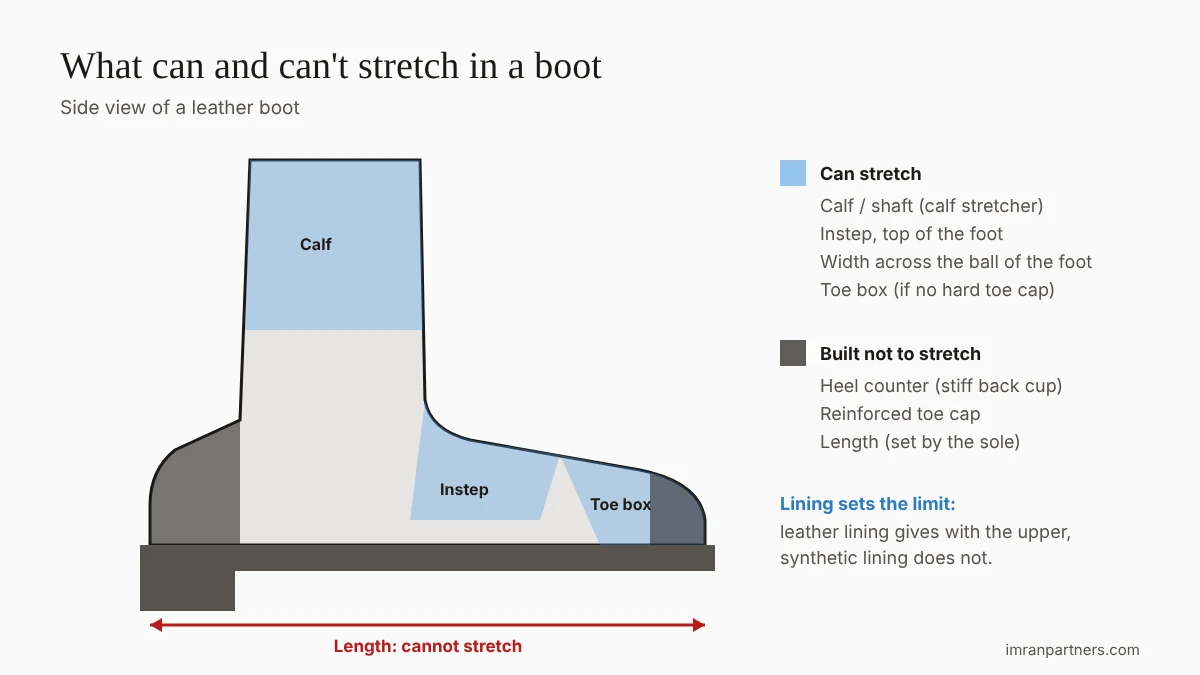
A boot is not one piece of leather. Knowing the parts saves you from trying the impossible:
- Can stretch: the width across the ball of the foot, the toe box (in height and width, if there is no hard toe cap), the instep over the top of the foot, and the calf or shaft of tall boots.
- Cannot stretch: the length. The sole sets the length, and no method makes a boot longer. The heel counter (the stiff cup at the back) and a reinforced toe cap are also built to hold their shape.
- The lining sets the limit: a leather lining stretches with the upper. A textile or synthetic lining does not, so the boot will only give as far as the lining allows.
In the boots we source, the upper is mostly cow leather, with buffalo leather in some heavy work boots and goat leather in lighter shoes. Linings are usually goat or sheep leather, with textile or synthetic in cheaper ranges. That lining is often the reason two boots of the same size stretch differently.
Before you start: prepare the leather
- Clean the boots. Brush off dirt and wipe with a slightly damp cloth, so you are not rubbing grit into the leather.
- Find the tight spot. Wear them for ten minutes and note exactly where they pinch: toes, sides, top of the foot or calf.
- Spot test. Try any spray, alcohol or conditioner on a hidden area first, such as inside the tongue.
- Condition dry leather. Leather that is dry and stiff cracks when stretched. A thin coat of leather conditioner first helps the fibres move. Our guide on how to soften leather explains which conditioners are safe.
How to stretch leather boots and shoes: 7 safe methods
1. Wear them with thick socks
The slowest and safest way to break in leather boots. Put on one or two pairs of heavy wool socks, wear the boots around the house for an hour or two a day, and walk, bend and climb stairs. Your feet are the perfect mould. It takes a few days, but nothing can go wrong, and breaking in boots this way also improves comfort and prevents blisters later.
2. Thick socks and a hair dryer
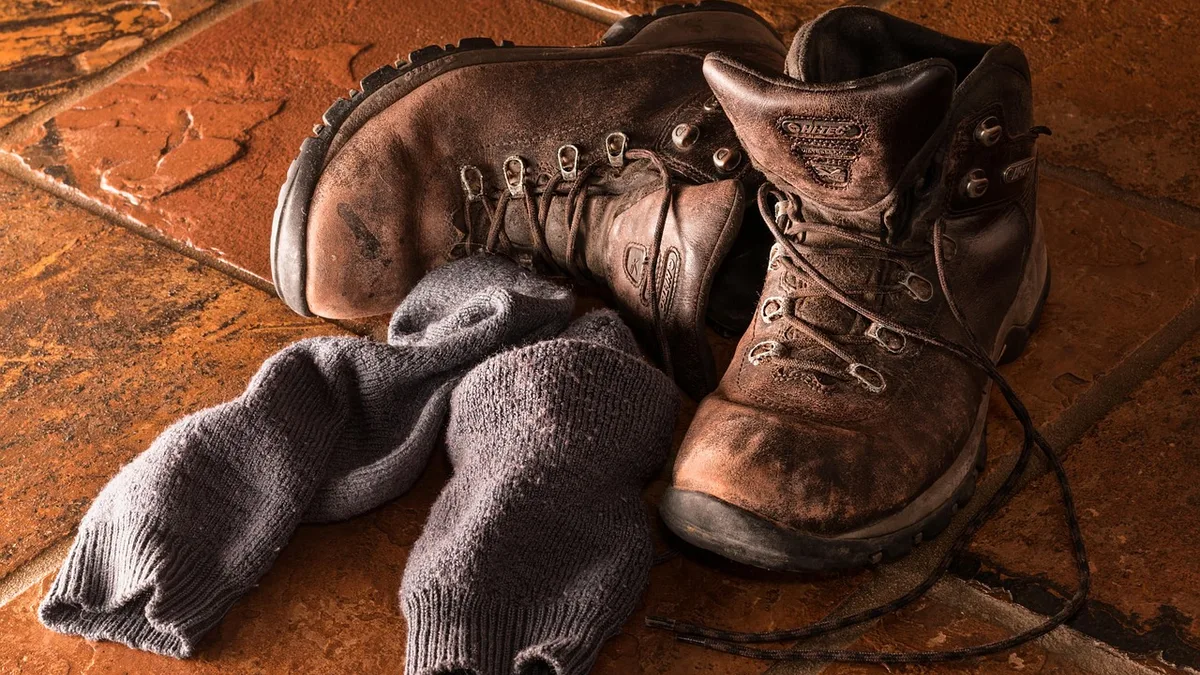
Wear the boots over heavy socks and warm the snug area with a hair dryer (or blow dryer) on medium heat for 20 to 30 seconds, keeping it moving and about 15 cm away. Flex your foot while the leather cools, then repeat two or three times. Apply leather conditioner afterwards, because heat dries leather out. Never use high heat or hold the dryer still. This is the classic DIY method and it works safely when done in short bursts.
3. Use a boot stretcher or shoe stretcher
A shoe stretcher is a wooden or plastic foot shape with a handle that widens it inside the shoe. Many have plugs you can fit over a bunion or a tight toe. For tall boots there is a calf boot stretcher that widens the shaft. Turn the handle until you feel light resistance, leave it for 6 to 8 hours or overnight, then turn it a little more the next day. Combined with a stretching spray, this is the most controlled method for leather shoes and boots.
4. Leather stretch spray, or rubbing alcohol and water
A leather stretch spray relaxes the fibres so they give more easily. Spray the inside of the tight area (and lightly outside if the label allows), then wear the boots or put in a stretcher while the leather is damp. A home version is one part rubbing alcohol to one part water. Alcohol can dry leather and lift some dyes, so test it first and condition after.
5. The freezer method
Half-fill two strong zip bags with water, seal them well, and push them into the front of the shoe so they fill the snug space. Water expands as it freezes, which is what does the work. Put the boots in the freezer overnight. The ice gently pushes the leather out. Let the ice thaw a little before removing the bags. This works best for the toe box of shoes. Avoid it on boots with a lot of glue or any leather that is already dry.
6. Stuff them with newspaper
Slightly dampen the inside of the boots, then pack them tightly with crumpled newspaper and let them dry slowly at room temperature, away from heaters. It is a cheap, gentle way to stretch leather shoes without wearing them, and it also helps them keep their shape.
7. Take them to a cobbler
A good cobbler has professional stretching machines and can stretch one exact spot, such as a bunion area or the calf, without stressing the rest of the boot. It is the best option for expensive boots, cowboy boots, patent leather and any pair you are afraid to damage.
Which method works for which tight spot
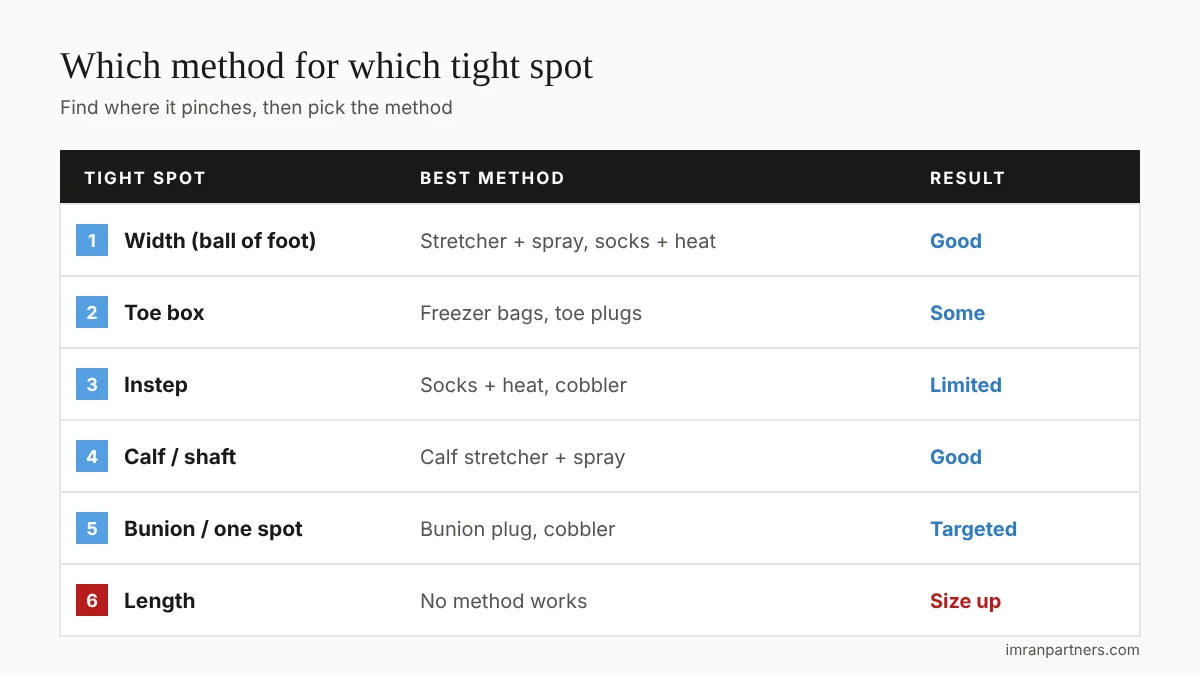
| Tight spot | Best methods | Expect |
|---|---|---|
| Width across the ball of the foot | Shoe stretcher + spray, socks + heat | Good results in a few days |
| Toe box | Freezer bags, stretcher with toe plugs | Some room, less if there is a hard toe cap |
| Instep (top of the foot) | Thick socks + heat, cobbler | Limited, laces or zips help |
| Calf or shaft | Calf boot stretcher + spray, cobbler | Good on leather-lined boots |
| Bunion or one pressure point | Stretcher with a bunion plug, cobbler | Very targeted |
| Length (toes hit the end) | None | Choose a bigger size |
Factories use the same idea in a controlled way. New shoes are pulled over a last (a foot-shaped form) and set with heat and steam so the leather takes that shape. When a sample comes out tight, it can be warmed and put back on a last or a stretching machine for a few hours. But the real fix is the right last size: stretching only closes a small gap.
How to stretch specific types of leather footwear
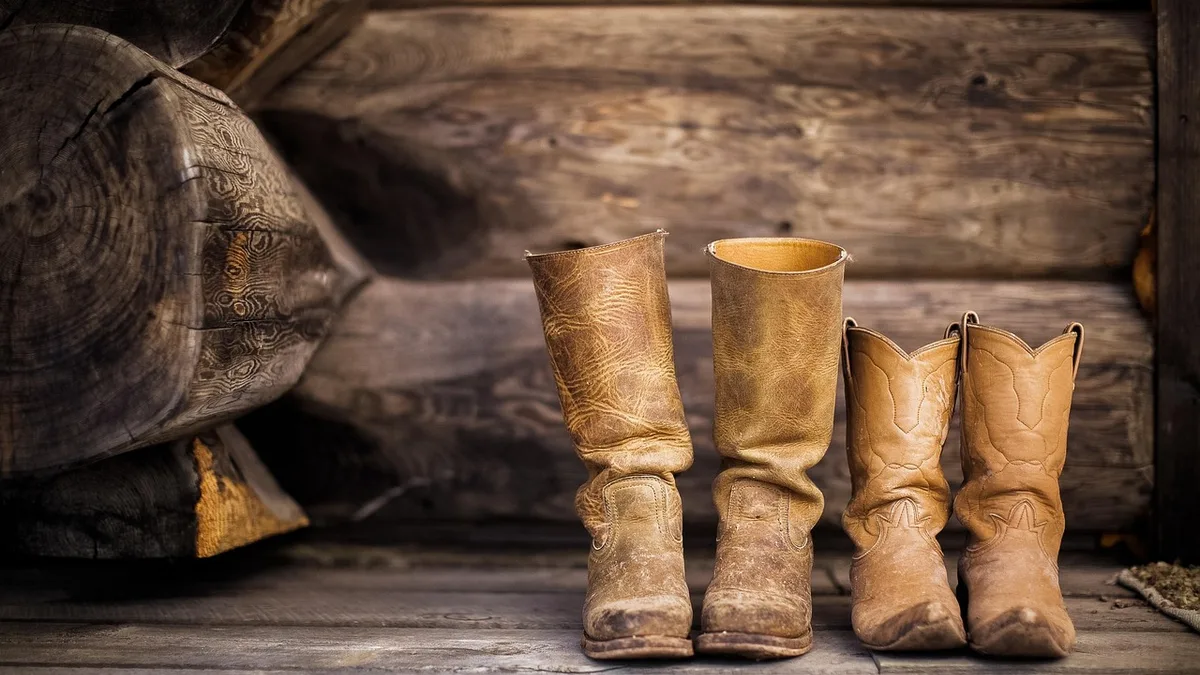
How to stretch leather cowboy boots
Cowboy boots are usually thick cowhide with a snug instep by design. Use socks and wear, or a cowboy boot stretcher with spray, and focus on the instep and the ball of the foot. The shaft can be widened with a calf stretcher. For exotic leathers, go to a cobbler.
How to stretch patent leather shoes
The glossy coating does not stretch well and can crack. Use only gentle warmth with thick socks, or a stretcher turned very slowly with a little conditioner on the inside. Skip alcohol and freezing.
Suede and nubuck
Both stretch, but water and sprays can leave marks. Spray only the inside and use a stretcher. Brush the nap afterwards. See our guide on how to clean nubuck for care after stretching.
Faux leather
PU and PVC shoes barely stretch. Gentle warmth and wear can give a few millimetres. Anything more and the coating will crease or crack.
Mistakes that damage leather when stretching
- Too much heat: a hot hair dryer, heater or oven dries the leather, causes cracking and can melt glue.
- Soaking boots in water and drying them fast. The leather shrinks and turns stiff.
- Stretching too far, too fast. Turn a stretcher a little each day.
- Skipping conditioner. Every method that uses heat, water or alcohol takes moisture out of the leather.
- Using household oils like cooking oil or petroleum jelly. They stain and can rot stitching.
- Trying to fix length. If your toes touch the end, the boots are too short.
How to keep stretched leather boots fitting well
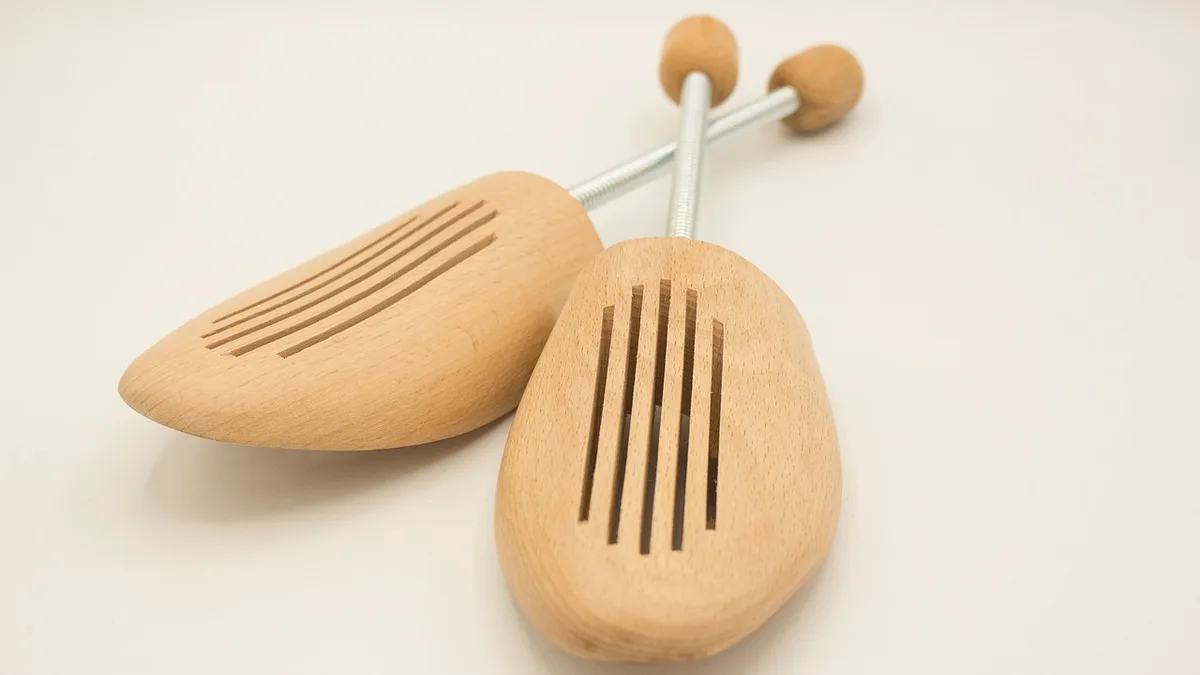
- Use shoe trees or boot shapers between wears to hold the new shape.
- Condition the leather every few months, more often in hot, dry weather.
- Store boots at room temperature, away from sun and heaters.
- Stretch them while wearing the socks you plan to use most.
Clean boots stretch and wear better. See how to clean leather boots for the full routine and a stain fix chart.
For brands: tight fit starts at the factory
If your customers complain that your boots run tight, stretching is not the fix. In our experience the most common fit complaints are width and toe box, especially for buyers in Europe and the US who need wider fittings, followed by the calf on tall boots. Length complaints are rarer, and stretching cannot fix them anyway.
The cure is a fit sample on real feet in each key size before bulk production, and a last made for your market's foot shape. Ask the factory which leather and lining they will use, because a synthetic lining limits how much the boot will give. If you are sourcing leather footwear or other leather goods, our overview of leather goods manufacturers in Pakistan explains how we vet factories and samples.
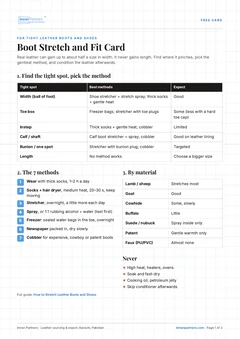
Page 1: a chart of tight spots and stretching methods. Page 2: a fit check sheet for boot samples.
⬇ Download free PDFFrequently asked questions
Do leather boots and shoes stretch over time?
Yes. Real leather boots usually mould to your feet over the first one to three weeks of wear, mostly in width and at the instep. They do not get longer.
How much can you stretch leather boots?
Up to about half a size in width, sometimes a little more in soft leather. If you need a full size, choose a bigger boot.
What is the fastest way to stretch leather shoes?
Heavy socks plus a hair dryer on medium heat, or a stretching spray with a shoe stretcher left overnight. Always condition afterwards.
How to stretch leather boots in the calf?
Yes. Use a calf boot stretcher with a leather stretch spray, or ask a cobbler. Leather-lined boots stretch more than boots with a synthetic lining.
Does rubbing alcohol stretch leather?
A mix of rubbing alcohol and water relaxes leather fibres so they stretch while you wear the boots. Test it first, because it can dry leather and lift dye.
Does the freezer method damage leather?
Used once, with well-sealed bags, it is usually safe on sturdy leather. Avoid it on dry, old or delicate leather and on boots that are mostly glued.
Can you stretch leather shoes that are too short?
No. Stretching adds width and height, not length. If your toes touch the end, the shoes are the wrong size.
Stretch slowly and protect the leather
To stretch leather boots or shoes, find the snug spot, condition the leather, and use the gentlest method that works: thick socks, a little heat, a spray and a stretcher. Expect up to half a size in width, never extra length, and condition the leather after every method. For other care steps, read how to clean a leather jacket.
Making leather footwear or leather goods for your own brand? Request a quote and we will match you with verified manufacturers in Pakistan, with fit samples checked before bulk.

Muhammad Imran is the founder of Imran Partners, a leather sourcing partner based in Karachi, Pakistan. He works with leather goods manufacturers across Pakistan to help brands source jackets, bags, wallets, belts and gloves, from leather selection and sampling to quality checks before shipment.
Muhammad Imran on LinkedIn