Leather Care: How to Clean, Condition and Protect Leather
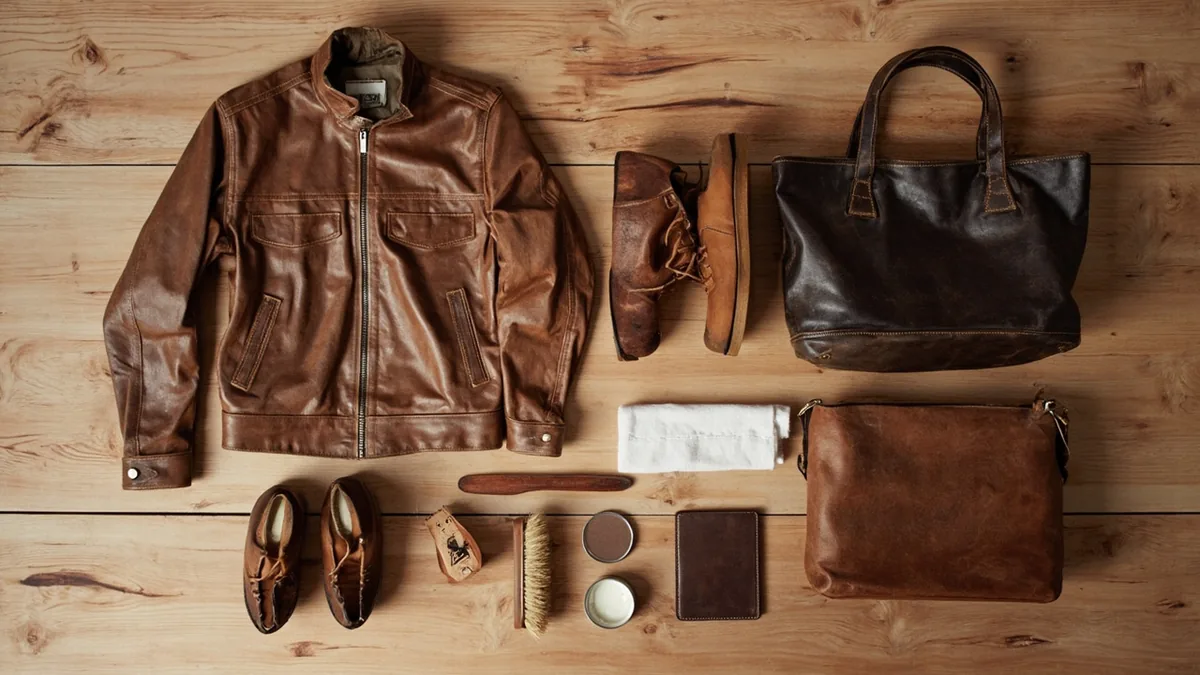
Good leather care is simpler than most product shelves make it look. Leather is skin, so it needs four things: keep it clean, keep it moisturised, protect it from water and heat, and store it where it can breathe. Get those right and a leather jacket, bag or pair of boots will last for decades and look better with age. This guide explains how to take care of leather step by step, how often to do each job, and how care changes with the type of leather you own.
We source leather goods from verified manufacturers in Pakistan for brands around the world, so we see leather at every stage: at the tannery, on the factory floor and in the cartons that ship to buyers. The advice below mixes what works at home with what we have learned on the production side.
Leather care at a glance: what to do and how often
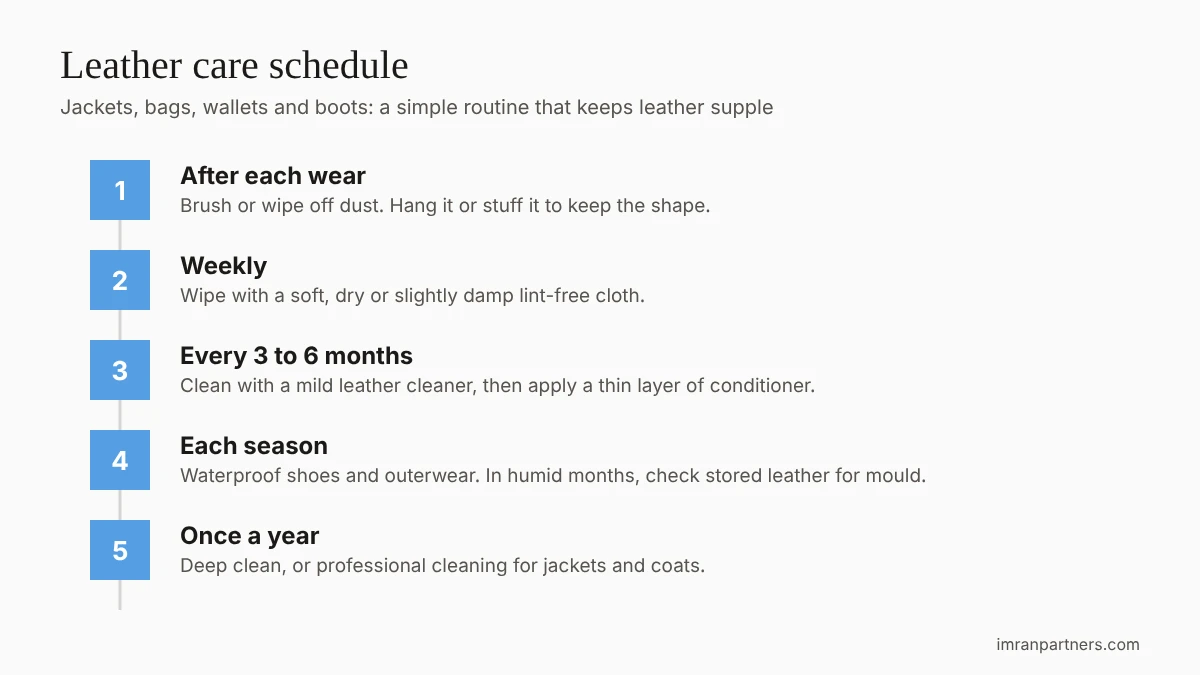
Most leather needs very little. The table below is a care schedule for everyday leather goods such as jackets, bags, wallets and boots. Wear, weather and climate change the timing, so treat it as a starting point.
| How often | Leather care task | Why it matters |
|---|---|---|
| After each wear | Wipe or brush off dust and dirt; hang or stuff to hold the shape | Dirt is abrasive and draws moisture out of the leather |
| Weekly (if worn often) | Wipe with a soft, dry or slightly damp lint-free cloth | Stops grime building up in the grain and creases |
| Every 3 to 6 months | Clean with a mild leather cleaner, then apply leather conditioner | Replaces lost oils and keeps the leather flexible |
| Each season | Waterproof shoes and outerwear; check for mould in humid months | Rain, snow, salt and humidity do the most damage |
| Once a year | Deep clean, or professional cleaning for jackets and coats | Large items collect body oil and sweat inside |
Step 1: Know your leather before you care for it
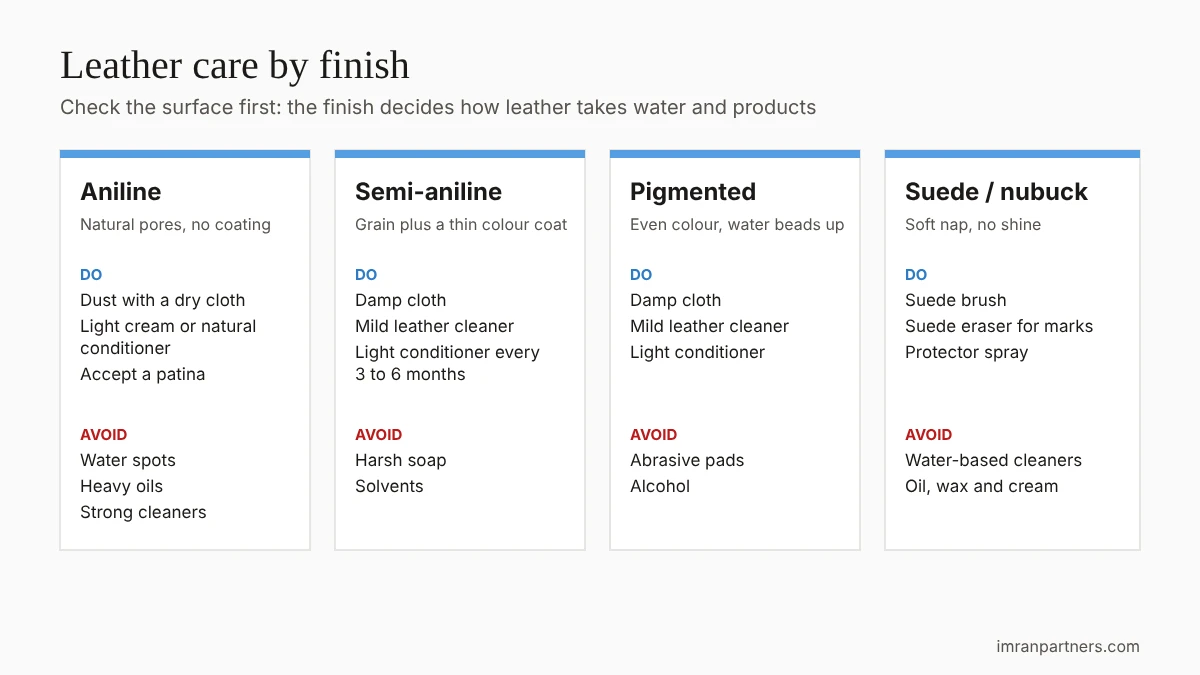
The biggest leather care mistakes happen when people treat all leather the same. What matters most is the finish, the last layer the tannery puts on the surface after tanning. It decides how the leather takes water, cleaner and conditioner. If you are not sure your item is real leather at all, start with our guide on how to tell if leather is real.
| Leather type | How to spot it | Care that suits it | Avoid |
|---|---|---|---|
| Aniline (full grain, no coating) | Natural pores, darkens when you press a wet finger on it | Dry dusting, a light cream or natural leather conditioner, patience with marks | Water spots, heavy oils, strong cleaners |
| Semi-aniline | Visible grain with a thin, even colour coat | Mild cleanser, light conditioner every few months | Harsh soap, solvents |
| Pigmented / corrected grain | Even colour, slight sheen, water beads on top | Damp cloth, mild leather cleaner, light conditioner | Abrasive pads, alcohol |
| Suede and nubuck | Soft, velvety nap; no shine | Suede brush, suede eraser, protector spray | Water-based cleaners, oil, wax, cream |
| Patent leather | Glossy, mirror-like coating | Damp cloth and a patent-safe lotion | Wax, oils, rough cloths |
| Oiled or waxed leather | Slightly greasy feel, colour shifts when scratched | Brush, then rub in wax or oil made for it | Over-cleaning, which strips the oil |
Grain matters too. Full grain leather keeps the natural surface and ages into a rich leather patina. Top grain and corrected grain are sanded and coated, so they resist stains better but never develop the same character. Soft garment leathers such as nappa leather, calfskin and goatskin need lighter products than thick boot or saddle leather.
How to clean leather the right way
Cleaning leather is mostly about removing dirt before it works into the grain. Always start with the gentlest option and only step up if you need to.
Everyday cleaning
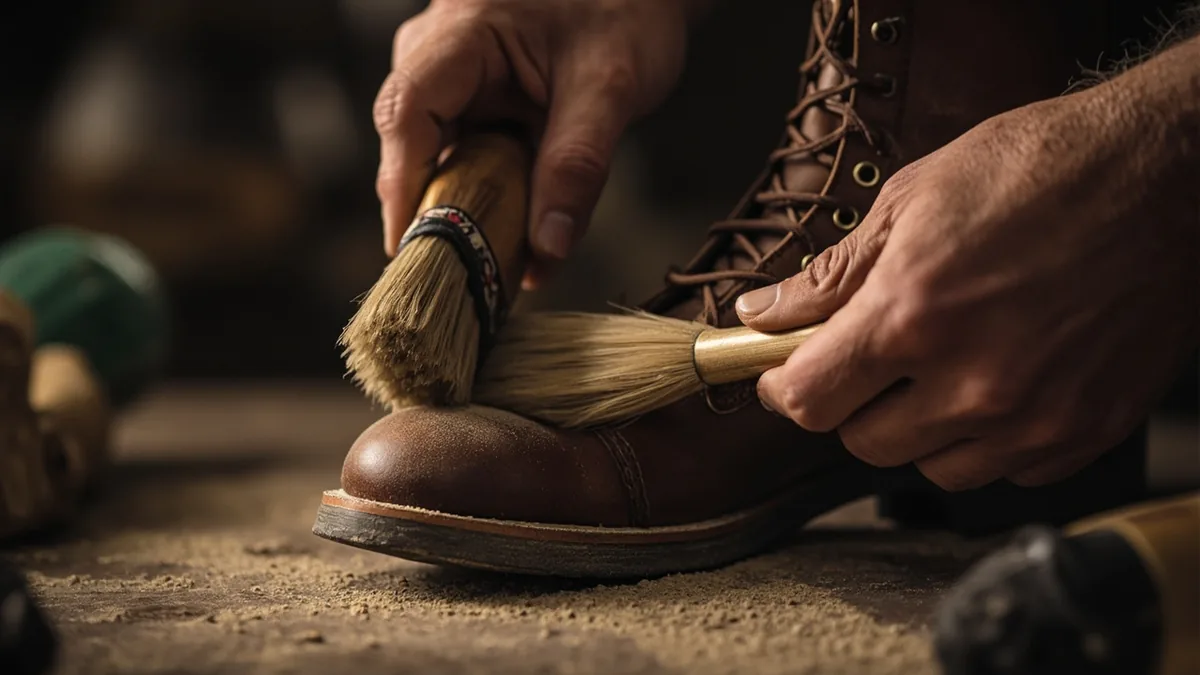
- Dust it. Use a soft horsehair brush or a dry, lint-free cloth. Pay attention to seams, creases and stitching where dirt collects.
- Wipe it. For smooth leather, use a damp cloth that has been wrung out well. A damp cloth is not a wet cloth.
- Let it air dry. Leave it at room temperature, away from a heater or direct sunlight.
Deep cleaning
- Test first. Try any leather cleaner on a hidden spot, such as inside a hem or under a strap, and wait a few hours.
- Use a mild leather cleaner. Choose a pH-balanced product made for leather. Apply it to the cloth, not straight onto the leather.
- Work in small circles. Clean one panel at a time and wipe away the residue with a clean, damp cloth.
- Air dry, then condition. Cleaning lifts some natural oil, so follow every deep clean with conditioner.
Saddle soap is a traditional choice for thick, sturdy leather such as work boots and saddlery. It is too harsh for soft jackets and bags; use it sparingly and always condition afterwards. For item-by-item steps, see our guides on how to clean a leather jacket and how to clean leather boots.
Removing common stains
- Water spots: dampen the whole panel evenly with a damp cloth so it dries to one tone, then let it air dry.
- Oil and grease: blot at once and cover the spot with cornstarch or talc for a few hours to draw the oil out, then brush it off.
- Ink: dab, never rub. On pigmented leather a leather cleaner may lift fresh ink; on aniline leather go to a professional.
- Salt marks: wipe with a cloth dampened in a weak mix of water and white vinegar, then condition once dry.
- Mould: take the item outside, brush it off, wipe with a damp cloth, let it dry in a well-ventilated room and condition.
How to condition leather (and how much is too much)
Leather loses its natural oils over time through heat, sun, cleaning and plain wear. Leather conditioner puts that moisture back so the fibres stay flexible instead of drying, stiffening and cracking.
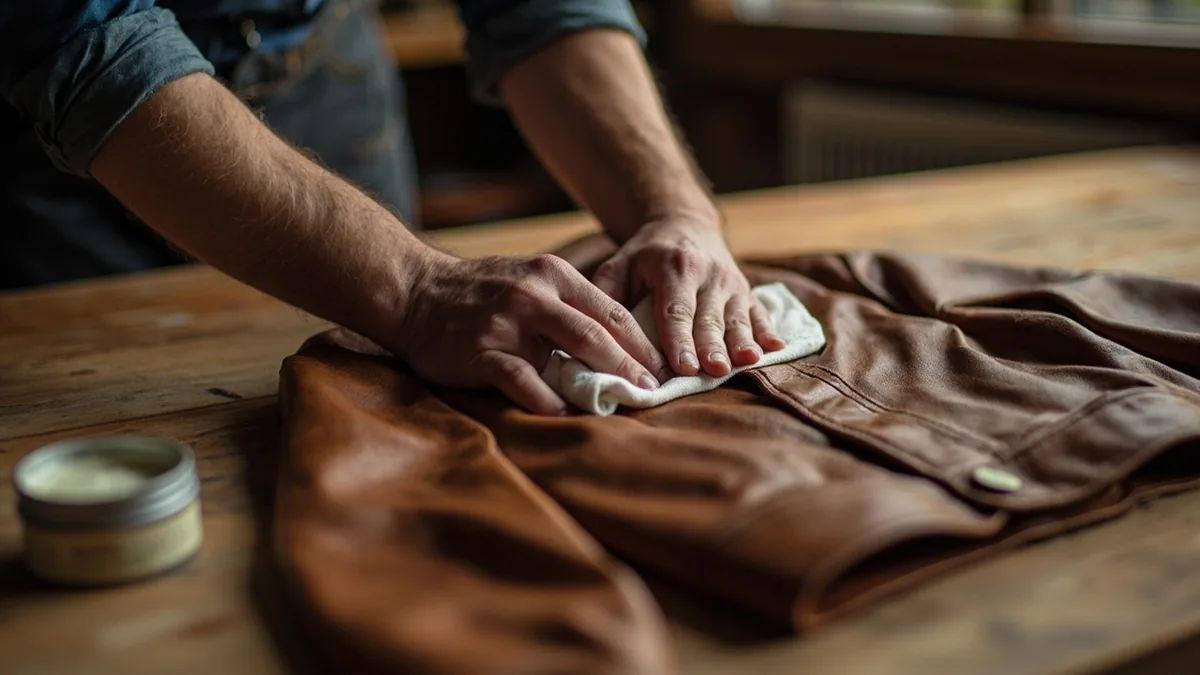
- When: every 3 to 6 months for items you use often, or when the leather looks dull, feels dry or starts showing fine creases. In very dry climates, every 2 to 3 months.
- What: a leather cream or leather balm for most smooth leather; a natural leather conditioner with beeswax or lanolin for full grain leather; dedicated leather oil only for oiled or work leather.
- How: apply a pea-sized amount to a soft cloth, work it in with circular strokes, leave it for 20 to 30 minutes, then buff off any excess.
- How much: less than you think. Too much conditioner clogs the pores, leaves the surface sticky, attracts dirt and can darken light leather. Museum conservators at the US National Park Service go further: their guide on leather dressings warns that heavy dressings can darken leather, attract dust and even trap moisture that encourages mould.
Leather polish is not the same as conditioner. Polish adds colour and shine, mostly for shoes; conditioner feeds the leather. If your leather is already stiff, our guide on how to soften leather covers what works and what to avoid.
How to protect leather from water, sun and heat
Leather can handle a light shower, but soaking, strong sun and dry heat cause most of the damage we see on returned or stored goods.
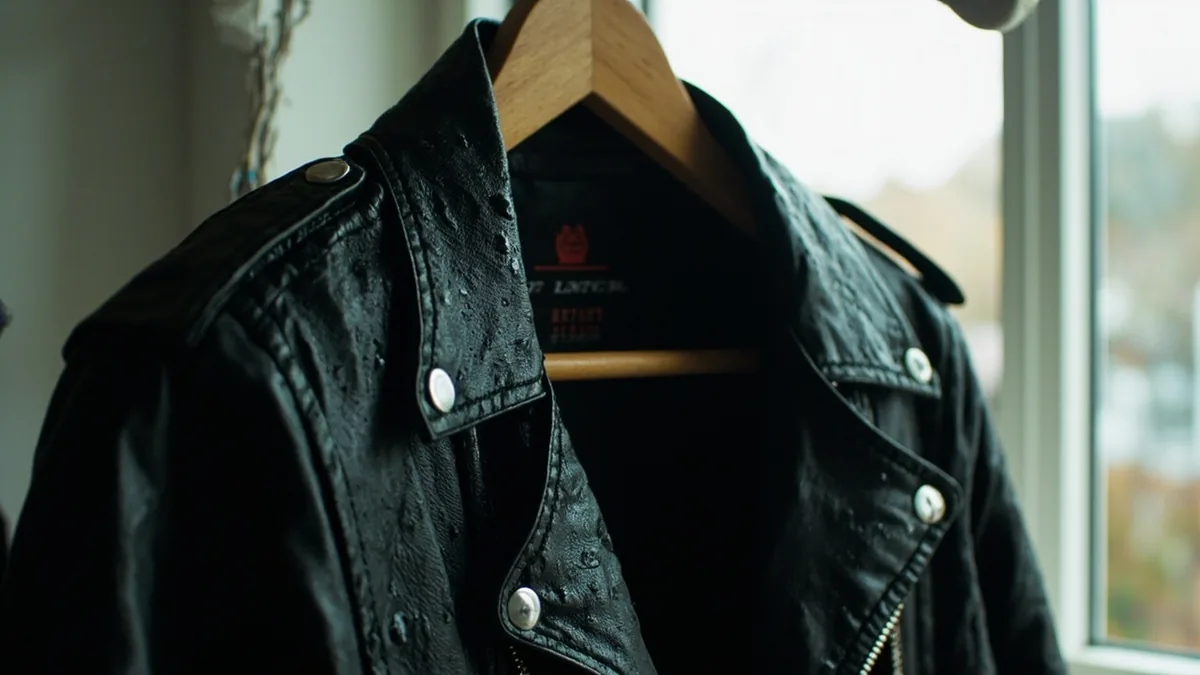
- Water: treat shoes, boots and outerwear with a waterproofing spray or wax made for leather. Spray suits suede, nubuck and garment leather; wax gives stronger protection on boots. Reapply each season.
- If it gets wet: blot off surface water, stuff shoes or bags with paper, put jackets on a wide hanger and let everything air dry for a day or two. Condition once dry. The industry body Leather Naturally gives the same advice in its leather care fact sheet: dry leather at room temperature, never with a hairdryer or on a radiator.
- Sun: direct sunlight fades dyes and dries out the surface. Do not leave leather in a car or by a sunny window.
- Heat: keep leather away from radiators, heaters, fireplaces and hair dryers. Heat shrinks the fibres and makes leather brittle.
From our experience: the most common mistake we see is speeding up drying with a hair dryer or heater. The leather looks fine for a day, then turns stiff and starts to crack. The second is using olive oil or other cooking oil as a conditioner. Kitchen oils can darken leather unevenly and go rancid over time, leaving a smell that does not come out.
How to store leather
Good storage prevents more damage than any product. Leather needs air, shape and a stable, dry place.
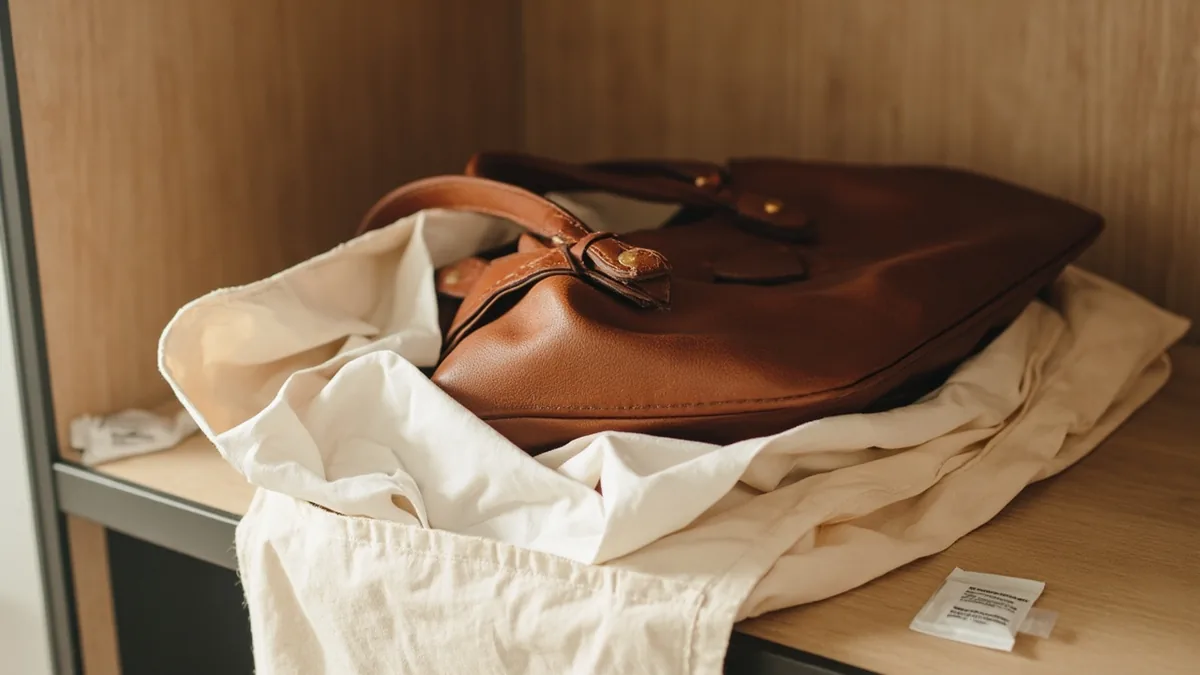
- Breathable covers only: use a cotton dust bag or an old pillowcase. Plastic traps moisture and leads to mould.
- Keep the shape: hang jackets on wide, padded hangers; stuff bags with acid-free tissue; put cedar shoe trees in shoes and boots.
- Give it space: do not crush leather in a packed wardrobe or stack heavy items on bags.
- Cool, dry and dark: away from windows, heaters and damp walls.
- Check stored items: take them out once a month in humid seasons, air them and wipe them down.
Humid climates: in Karachi's monsoon and humid months, leather left in a closed cupboard can grow white or green mould within weeks. Keep a few silica gel packets in the wardrobe, leave a little airflow, and take leather out every month to wipe it with a cloth. According to the Canadian Conservation Institute, mould grows on leather once relative humidity stays above about 65%, and at 80% it can appear in around 10 days, which is why airflow and dry storage matter so much.
Leather care by item
The basics stay the same, but here is how to care for leather items you use every day.
Leather jackets
Brush or wipe after wear, condition two or three times a year, and hang on a wide hanger. Never machine-wash a leather jacket. For a full routine, read how to clean a leather jacket.
Leather boots and shoes
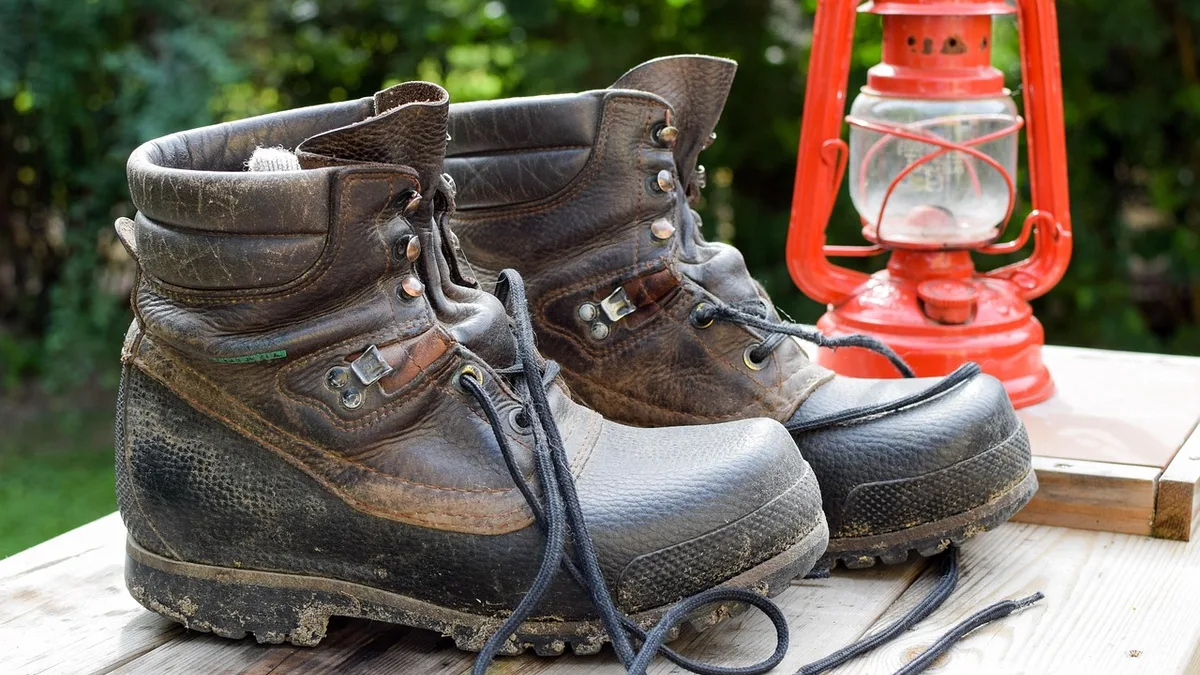
Brush leather shoes and boots after every wear, use shoe trees, rotate pairs so they dry out between wears, and waterproof before winter. If a new pair pinches, see how to stretch leather boots safely.
Leather bags and wallets
Wipe handles and corners, where hands and dirt touch most. Do not overfill a leather bag or wallet, because stretched leather does not shrink back. Empty bags before storing them stuffed with tissue.
Suede and nubuck
Skip water, oil, wax and cream. Use a suede brush to lift the nap, a suede eraser for marks and a protector spray before wear. Our nubuck guides explain how to clean nubuck and whether nubuck is waterproof.
Leather care mistakes to avoid
- Drying wet leather with a hair dryer, heater or in strong sun.
- Using olive oil, coconut oil or other kitchen oils as conditioner.
- Cleaning with baby wipes, alcohol, bleach, dish soap or all-purpose sprays.
- Putting conditioner, wax or oil on suede or nubuck.
- Over-conditioning, which leaves leather sticky and dark.
- Storing leather in plastic bags or vacuum bags.
- Skipping the patch test on a new cleaner or conditioner.
For brands: leather care starts at the factory
If you sell leather goods, leather care is part of your product. Two things decide how long your customers' items last: how the leather was finished at the tannery, and the care instructions you give buyers.
At the factory: in our experience the protection is mostly done at the tannery, not the stitching unit. Aniline leathers leave the tannery with a light wax or oil finish, while pigmented leathers get a colour coat and a protective top coat. After a jacket or bag is made, factories usually just wipe it with a clean cloth; some add a light cream or spray for shine. Before packing, each piece is checked so it ships without stains or fingermarks.
On the care label and care card: the care labels we see on export orders usually say "Genuine leather", "Do not wash", "Do not dry clean" or "Professional leather clean only", "Do not iron", "Keep away from direct heat and sunlight", "Wipe with a soft dry cloth" and "Condition every few months". Bigger brands add a small leather care card or hang tag with four or five lines of instructions.
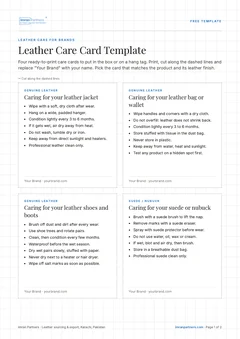
Printable care cards for jackets, bags and wallets, footwear and suede, plus care label wording you can send to your manufacturer.
⬇ Download free PDFWhen you place an order, ask your manufacturer which finish the leather has and agree the care label text before production starts. We help brands set this up with leather goods manufacturers in Pakistan, from leather choice to labels and packing.
Frequently asked questions
How often should you condition leather?
Every 3 to 6 months for items you use often, and every 2 to 3 months in very dry climates. Condition sooner if the leather looks dull, feels dry or starts to crease.
What is the best way to clean leather at home?
Dust it with a soft brush, wipe it with a well wrung-out damp cloth, and use a mild, pH-balanced leather cleaner for deeper dirt. Let it air dry and condition afterwards.
Can I use olive oil or coconut oil on leather?
It is better not to. Kitchen oils can darken leather unevenly, attract dirt and go rancid over time. Use a leather conditioner made for the job.
Is saddle soap good for all leather?
No. Saddle soap suits thick, sturdy leather such as work boots and saddles. It is too harsh for soft garment leather, suede and nubuck.
How do you protect leather from water?
Use a waterproofing spray for suede, nubuck and garments, or a leather wax for boots, and reapply each season. If leather gets wet, blot it and let it air dry slowly.
How should leather be stored long term?
In a breathable cotton dust bag, in a cool, dry and dark place, stuffed or hung to keep its shape. Never store leather in plastic.
Does leather care differ for suede and nubuck?
Yes. Suede and nubuck need dry care only: a suede brush, a suede eraser and a protector spray. Water, oil, wax and cream all damage the nap.
Leather care made simple
Leather care comes down to a few habits: brush or wipe after use, clean gently, condition every few months, keep leather away from heat and soaking, and store it where it can breathe. Match the products to the finish, test before you treat, and your leather will keep its colour and soften into a patina instead of cracking.
If you are a brand planning a leather collection and want leather that is finished and labelled for long life, send us your requirements and we will match you with the right manufacturer.
Cover image and photos in this guide are AI-generated illustrations.

Muhammad Imran is the founder of Imran Partners, a leather sourcing partner based in Karachi, Pakistan. He works with leather goods manufacturers across Pakistan to help brands source jackets, bags, wallets, belts and gloves, from leather selection and sampling to quality checks before shipment.
Muhammad Imran on LinkedIn